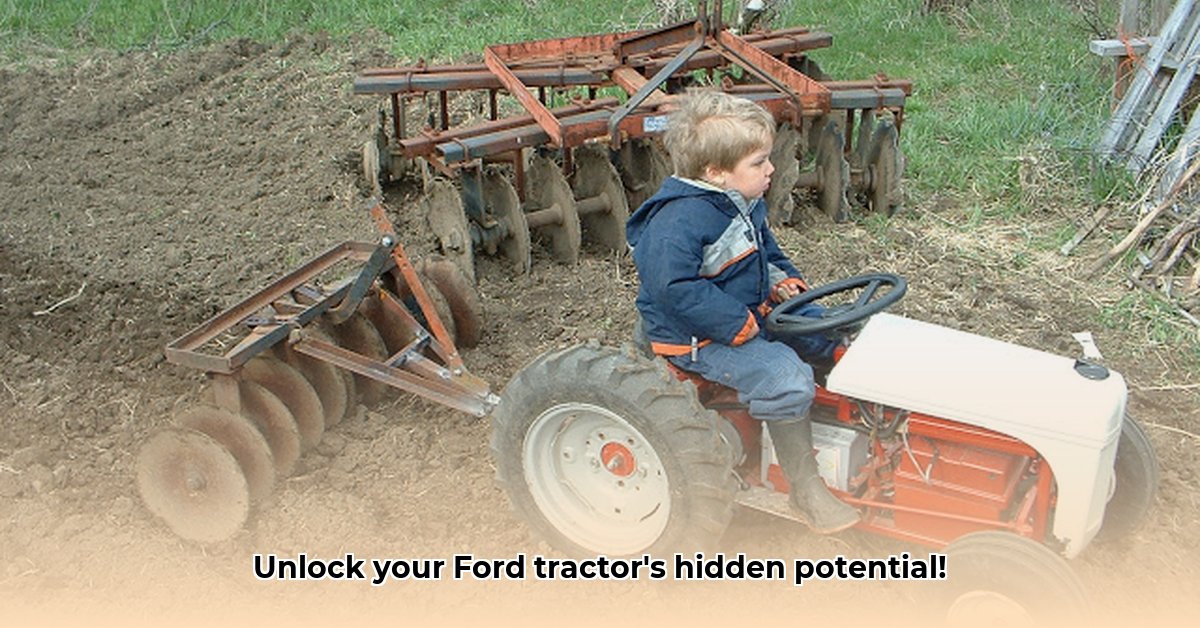
Ford Garden Tractors: A Legacy of American Ingenuity
The rhythmic chug of a vintage Ford garden tractor isn't just the sound of a machine; it's the echo of simpler times, a testament to enduring American craftsmanship. While not directly manufactured by Ford Motor Company, these robust machines, produced through collaborations with companies like Jacobsen, Gilson, and Toro, represent a unique chapter in agricultural and landscaping history. Today, these workhorses are experiencing a resurgence in popularity, transforming from practical tools into highly sought-after collector's items and generating a thriving market ripe with opportunities. For more in-depth information, visit the Ford Garden Tractor resource. This guide provides a comprehensive roadmap for navigating this exciting world, offering actionable advice for collectors, dealers, and parts suppliers alike.
For Collectors & Restorers: Revitalizing a Piece of History
Owning a classic Ford garden tractor is more than a simple acquisition; it's about preserving a piece of Americana and connecting with a bygone era of ingenuity. But the journey to restoring these iconic machines requires careful planning and a strategic approach.
1. Identifying Valuable Models: Rarity is king in the world of vintage Ford tractors. Specific years, unique features (like rare attachments or paint schemes), and even minor variations can significantly impact a tractor's value. Consult online resources, collector's guides, and dedicated forums to identify highly sought-after models.
2. Sourcing Parts: A Treasure Hunt: Locating parts can be challenging. Explore online auction sites (like eBay), vintage equipment dealers, and fellow enthusiasts. Don't overlook local classifieds or flea markets—hidden gems often await discovery. Meticulous record-keeping is essential. Did you know that 3D printing is increasingly utilized to reproduce hard-to-find components?
3. Authentication Techniques: Spotting Counterfeits: Be vigilant for counterfeit parts—a problem increasingly encountered in the collector market. Compare parts to original manufacturer catalogs, verifiable images, and information from trusted online communities for accurate identification and verification.
4. Basic Restoration Tips: A successful restoration is a rewarding journey. Start by meticulously disassembling the tractor, documenting each step with detailed photos or notes. Invest in high-quality tools and paint for a professional finish. Numerous online resources and video tutorials can guide you through the process.
5. Community Involvement: Join online forums and clubs dedicated to Ford garden tractors. This provides access to a wealth of knowledge, shared experiences, and potential connections with fellow enthusiasts, creating a valuable network for sourcing parts and obtaining expert restoration advice.
For Vintage Equipment Dealers: Cultivating a Profitable Niche
The market for vintage Ford garden tractors is experiencing a period of sustained growth, providing lucrative opportunities for astute dealers. Capitalizing on this market requires a strategic understanding of the collector's mindset and effective marketing techniques.
1. Targeted Marketing Strategies: Collectors are passionate about their hobby; target them where they reside: specialized publications, online forums dedicated to vintage machinery, or social media groups focused on antique tractors. High-quality photographs and detailed descriptions of each tractor's history and unique features are crucial, fostering that emotional appeal integral to the vintage tractor market.
2. Building Networks with Restorers and Suppliers: Develop strong relationships with restorers and parts suppliers—these collaborations are vital for sourcing quality inventory and meeting the needs of your discerning clientele. These relationships extend beyond simple transactions, forming a foundation of mutual support and community within the niche market.
3. Inventory Management and Logistics: Monitor market trends and fluctuations closely, focusing on popular models and prioritizing those in excellent condition. Efficient storage solutions and reliable transportation are crucial for protecting your valuable inventory and ensuring timely delivery to customers.
4. Pricing Strategies for Market Volatility: Pricing demands careful research. Compare your inventory against recent sales of comparable tractors; consider the condition, rarity, and inherent sentimental value of each machine. The optimal pricing strategy balances competitiveness with profitability, especially considering the volatility intrinsic to the vintage equipment market.
For Parts Suppliers: Fueling the Passion
Parts suppliers play a crucial role in maintaining these historic machines and satisfying the demands of passionate collectors. The market for parts presents a unique opportunity for growth and innovation.
1. Sourcing and Reproducing Rare Parts: Locating and providing rare parts demands resourcefulness. Utilize salvage yards, online auctions, and even explore the innovative use of 3D printing to reproduce hard-to-find components, catering to the specific needs of collectors.
2. Building Effective Catalogs and Online Ordering Systems: Clear, user-friendly catalogs—both physical and digital—are crucial for efficient ordering. Accurate part numbers, detailed descriptions, and high-quality images are essential for maintaining customer confidence and transparency. A streamlined online ordering system further enhances convenience and accessibility.
3. Managing Logistics and Supply Chains: Efficient inventory management is paramount, coupled with reliable shipping partners to guarantee safe and timely delivery to customers, reinforcing the credibility and professionalism of your operation.
Navigating the Challenges: A Risk Assessment
The vintage Ford garden tractor market, while rewarding, presents inherent risks.
| Risk Factor | Mitigation Strategy |
|---|---|
| Parts Scarcity | Diversify sourcing, explore 3D printing, cultivate strong relationships with fellow enthusiasts/suppliers. |
| Authentication Challenges | Implement rigorous verification procedures, utilize reputable resources for verification. |
| Market Volatility | Track market trends, diversify inventory, strategically adjust pricing. |
| Counterfeit Parts | Develop keen awareness, establish relationships with trusted suppliers. |
The information provided here aims to serve as a valuable guide for navigating the world of Ford garden tractors. The passion surrounding these machines and the strategic understanding of the market present both rewarding challenges and significant opportunities for growth in the years to come.